Global Span Holidays
Choosing between Shimla and Manali is the ultimate dilemma for anyone planning a trip to Himachal Pradesh. Both offer stunning Himalayan views — but their personalities are profoundly different.
Choosing between Shimla and Manali is the ultimate dilemma for anyone planning a trip to Himachal Pradesh. Both are nestled in the Western Himalayas, both offer stunning views, but their personalities are profoundly different.
Are you looking for a sophisticated, historical retreat, or an adrenaline-fueled date with raw nature? To help you decide, we've put together a classic visual journey through each location.
Part 1: Shimla – The Colonial Queen
Shimla, the former summer capital of British India, is all about elegance, history, and architectural charm. It is a town that encourages you to slow down, carry a parasol, and appreciate the views.
1. Establishing the Vibe: Twilight on The Ridge
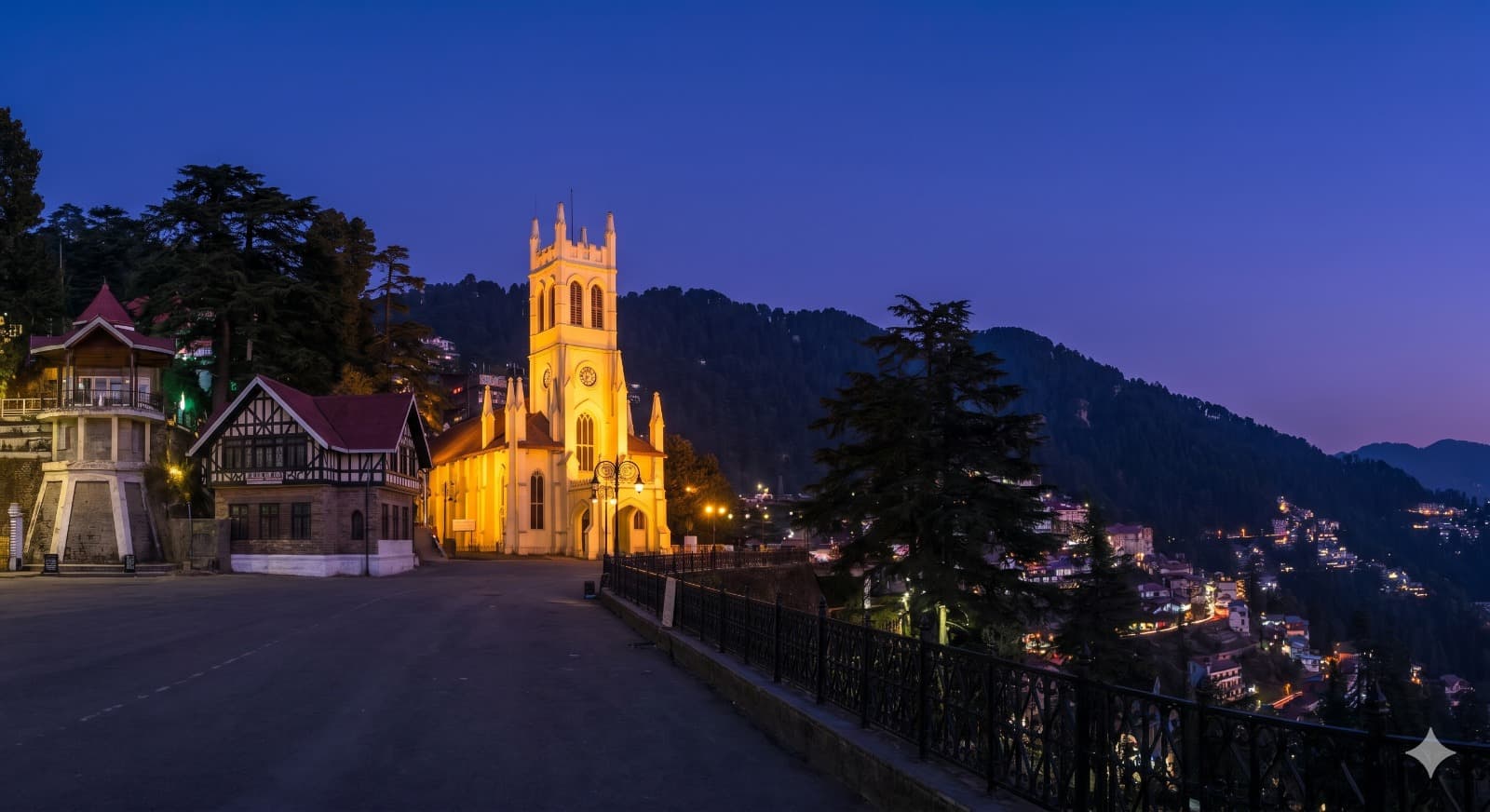
To understand Shimla, you must start on The Ridge at dusk. This is the town's heart. As the sun dips, the iconic Neo-Gothic Christ Church illuminates, standing as a silent sentinel over the foothills. The view is not just of mountains, but of the town itself — a cascading waterfall of lights built into the hills.
2. Shimla in Action: Strolling The Mall
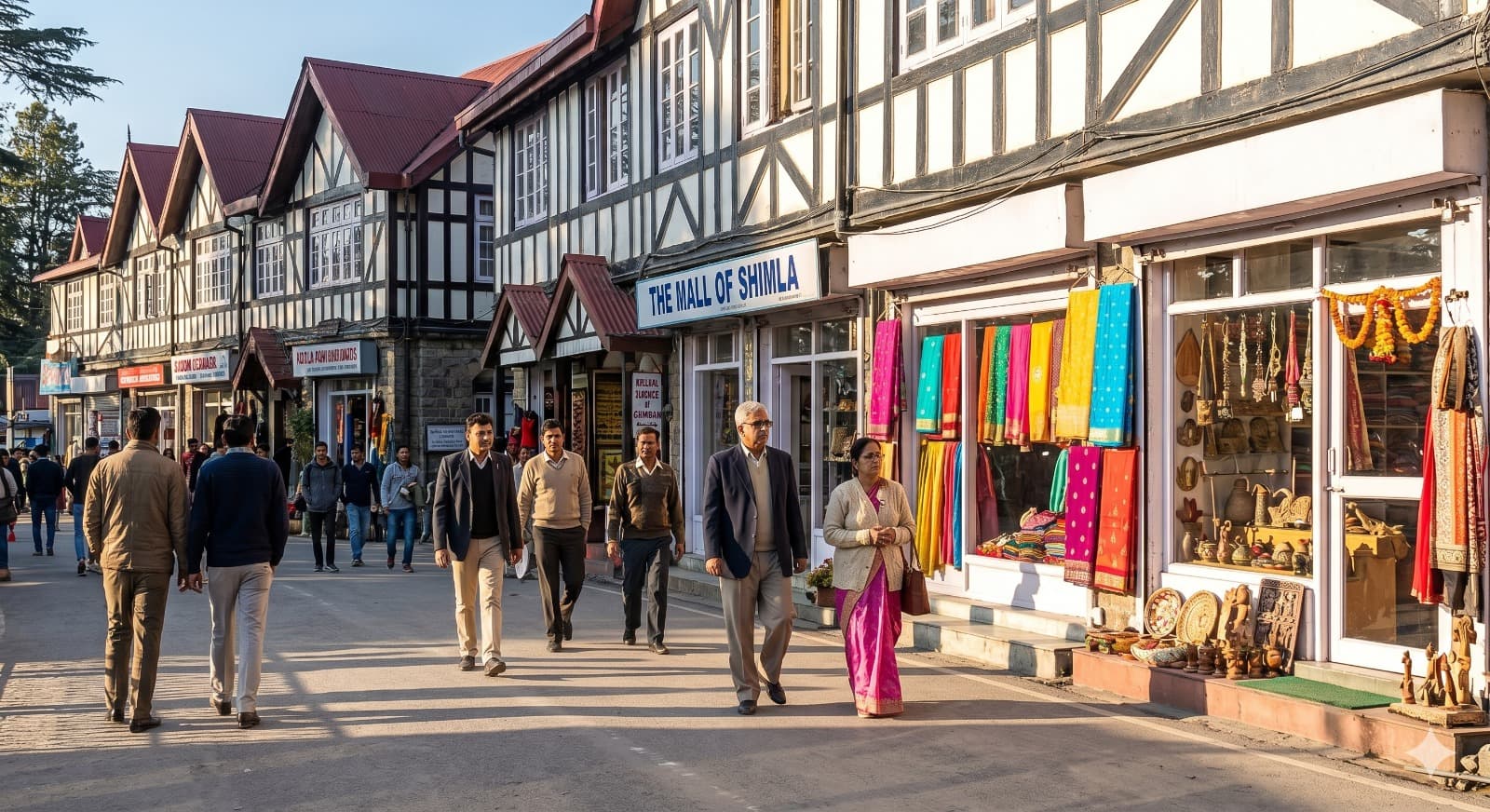
The quintessential Shimla activity is promenading on The Mall road. While The Ridge shows you the town at a distance, The Mall brings you down to street level. This is refined leisure — browsing for textiles and handicrafts, not gear.
The daytime sun highlights the mock-Tudor and colonial structures, strictly adhering to the same architectural style as Christ Church. When you walk here, you are walking through history.
Shimla Summary: A refined, pedestrian-friendly time capsule where history and gentle slopes meet.
Part 2: Manali – The Adventure King
Forget the polished cobblestones and colonial architecture. Manali, located further north and much higher, defines the other side of the Himalayas: raw, rugged, and powerful. Manali doesn't ask you to look at history; it dares you to look at the peaks.
3. Establishing the Vibe: The Powerful Beas River
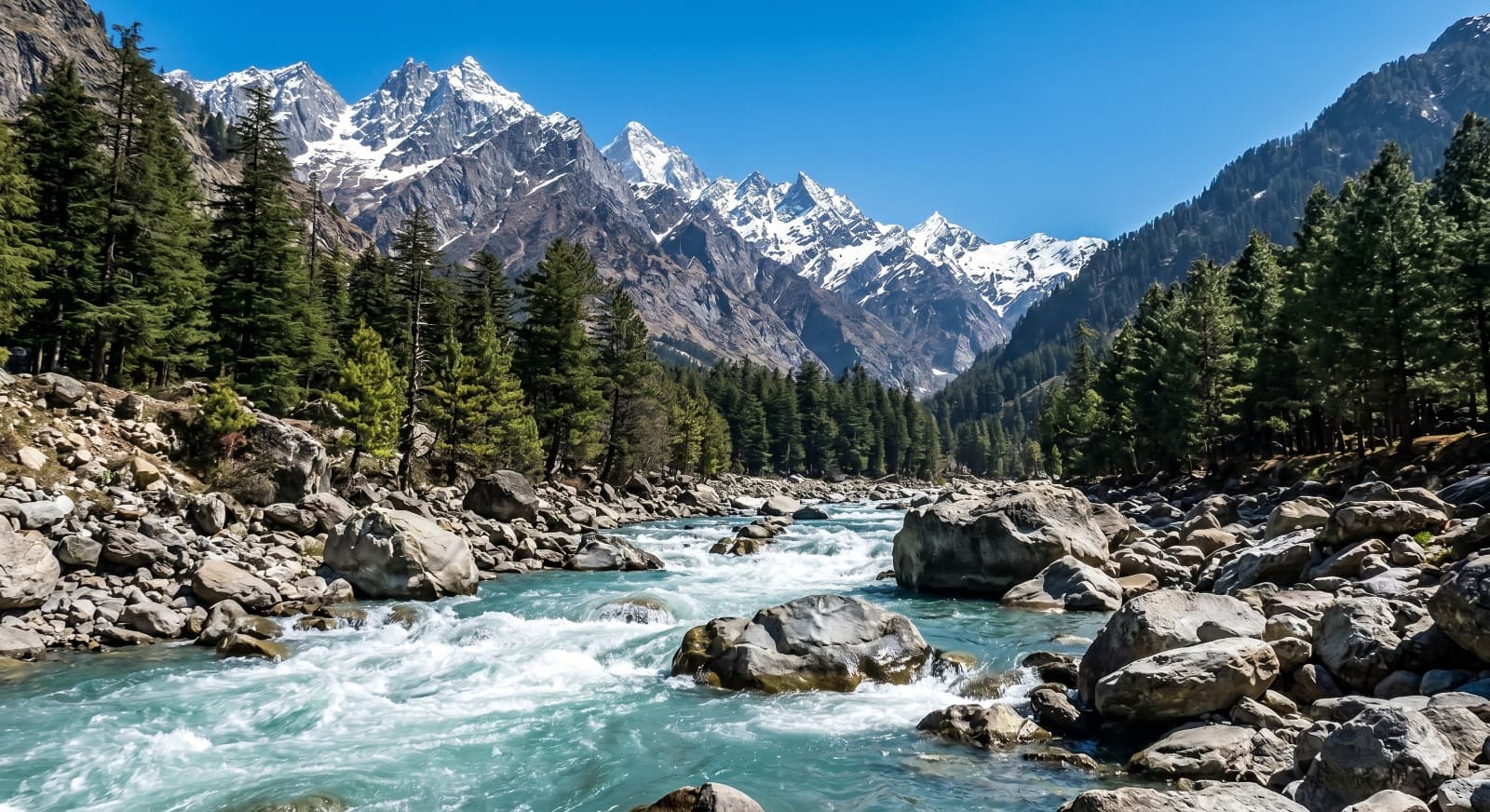
The turquoise Beas River rushes dramatically over boulders, cutting through dense pine forests. Unlike the rolling foothills of Shimla, Manali is immediately defined by sharp, jagged, snow-capped peaks that dominate the skyline — a geology built for adventure.
4. Manali in Action: Solang Valley Adventure
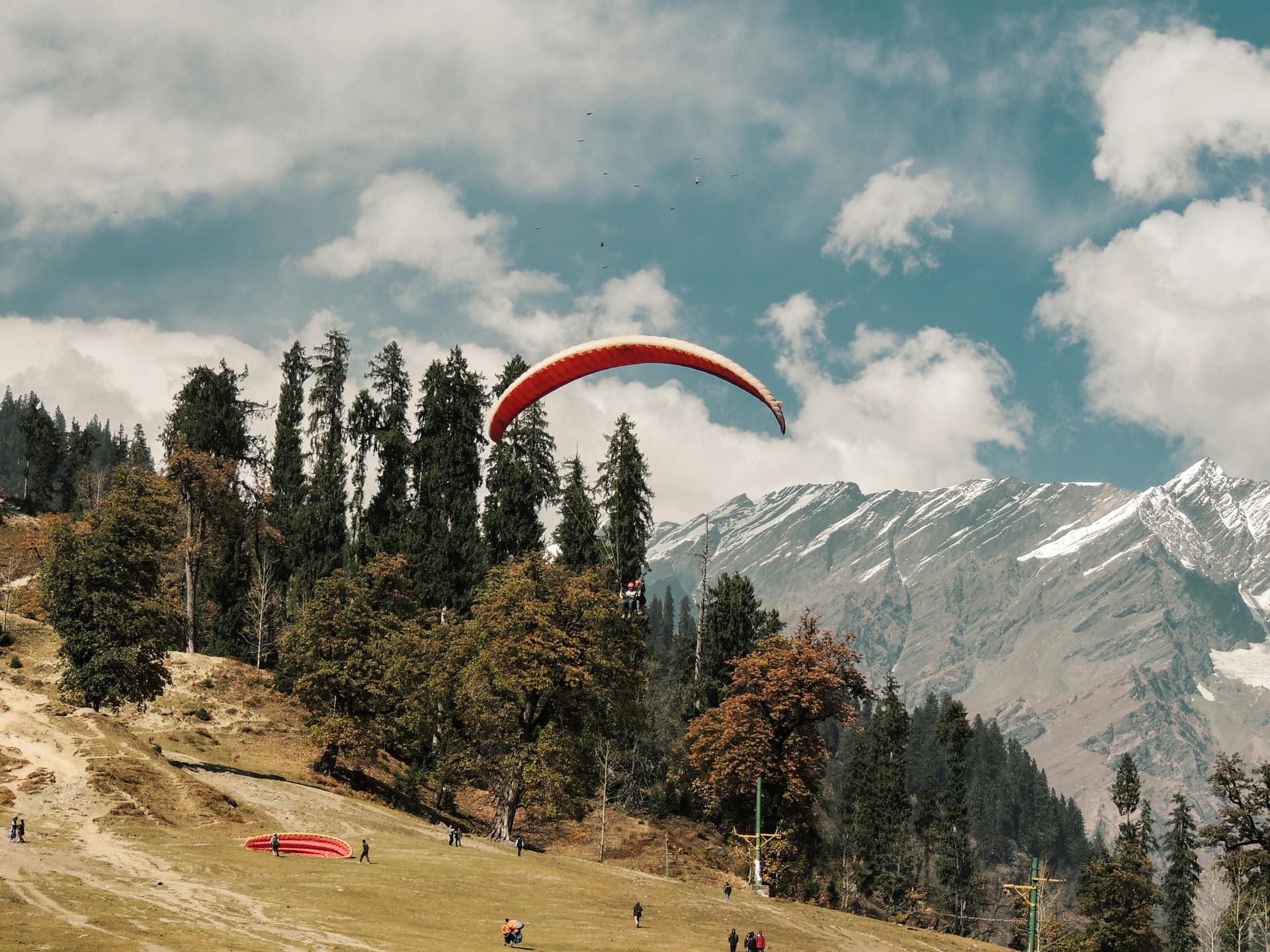
While Shimla offers leisurely walks, Manali offers launching yourself off a mountain. Solang Valley is the epicentre of adventure — paragliding, zorbing, quad biking in summer; skiing and snowboarding in winter.
Rohtang Pass (open May to October) takes you even higher into jaw-dropping, raw Himalayan territory. Old Manali and the ancient Hadimba Temple round out an experience that is as spiritual as it is thrilling.
Manali Summary: A high-altitude, raw mountain experience focused on rivers, peaks, and pulse-pounding adventure.
The Verdict
Which one wins? It depends entirely on what landscape and pace makes you feel alive.
- Choose Shimla: If you love colonial history, architecture, leisurely refined walks, and a gentle, romantic mountain setting.
- Choose Manali: If you crave raw nature, rushing rivers, paragliding, high-altitude landscapes, and sharp, imposing snow peaks.
Why not plan a trip that includes both? They are only a few hours apart, but they offer two completely different worlds. Many travellers book a combined 6–7 day Shimla-Manali tour — starting with the colonial calm of Shimla and ending with the high-altitude thrills of Manali.