Global Span Holidays
Nestled in Northeastern India and bordered by Bhutan, Tibet, and Nepal, Sikkim is a land of dramatic landscapes, towering snow-capped mountains, pristine glacial lakes, and ancient monasteries. For travelers seeking adventure, spirituality, and untouched natural beauty, Sikkim is unforgettable.
Nestled in the Northeastern part of India, bordered by Bhutan, Tibet, and Nepal, lies the serene and stunning state of Sikkim. Often described as a "hidden kingdom," Sikkim is a land of dramatic landscapes, towering snow-capped mountains (including the mighty Kanchenjunga), pristine glacial lakes, ancient monasteries, and vibrant local culture.
For travelers seeking a blend of adventure, spirituality, and untouched natural beauty, Sikkim is an unforgettable destination.
1. Gangtok: The Charming Capital and Mountain Views
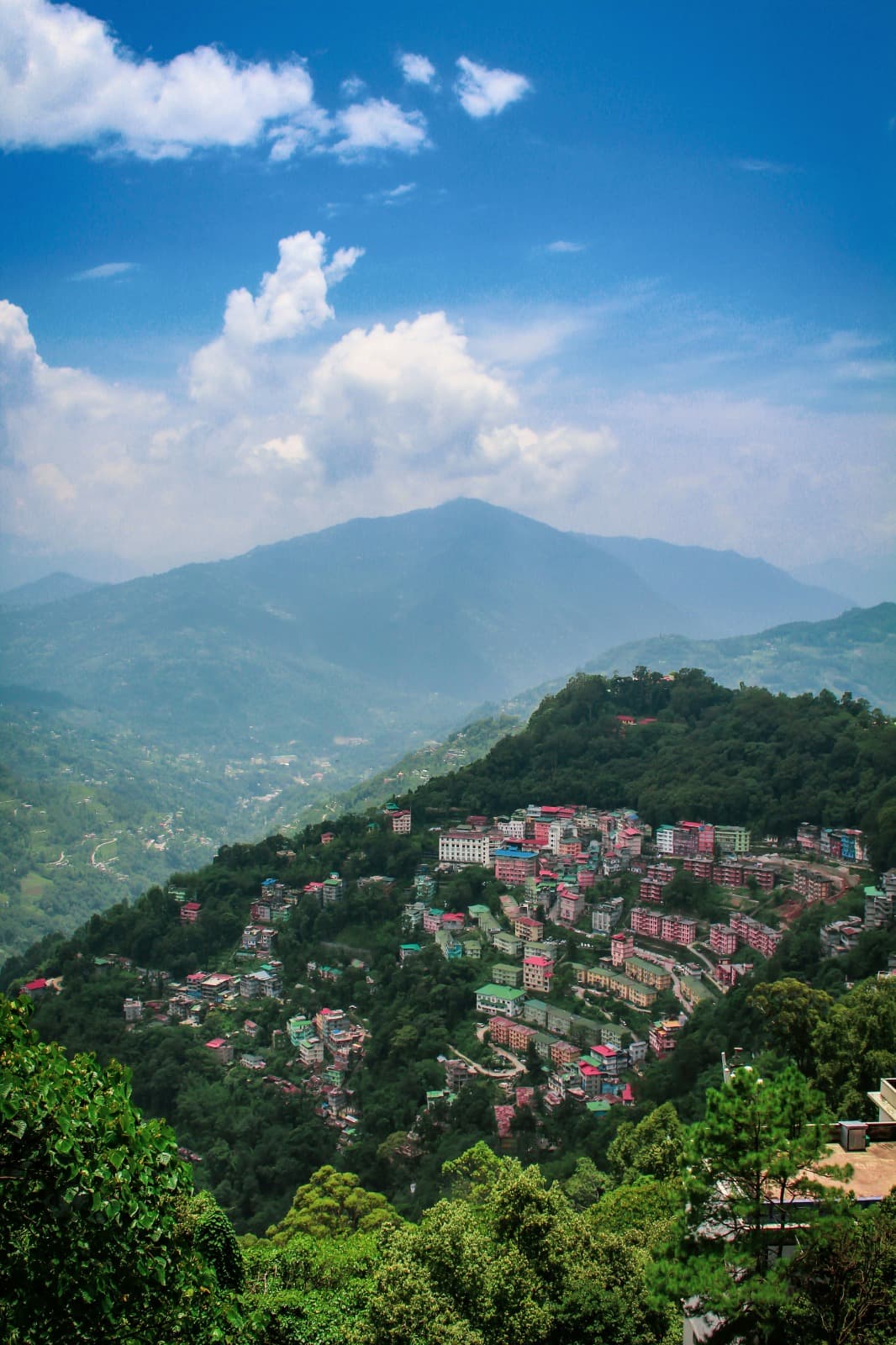
Most journeys into Sikkim begin in the capital, Gangtok. Perched on a cloudy ridge, Gangtok is a surprisingly modern yet laid-back city. You can spend time strolling down MG Marg (the main pedestrian shopping street), enjoying the local cuisine, and taking in the panoramic views of the surrounding hills and valleys. On a clear day, the city offers spectacular views of Mount Kanchenjunga, the third-highest peak in the world.
2. Spiritual Solace: Rumtek Monastery
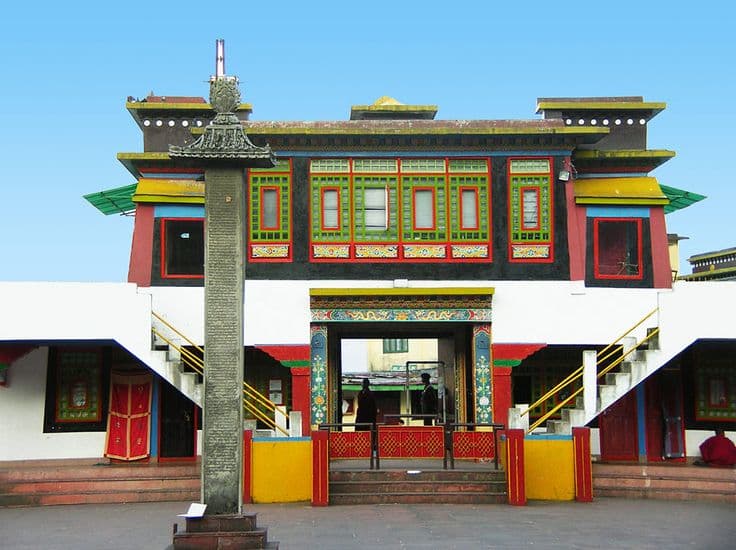
Just a short drive from Gangtok is the magnificent Rumtek Monastery, one of the most important centres of Tibetan Buddhism in the world. Also known as the Dharmachakra Centre, it is the seat of the Karmapa Lama.
The monastery's architecture is a stunning example of traditional Tibetan design, featuring vibrant colours, intricate murals, and a serene ambiance. Watching the monks chant their daily prayers here is a deeply peaceful and meditative experience.
3. High Altitude Serenity: Tsomgo Lake (Changu Lake)
As you venture deeper into East Sikkim, the scenery changes dramatically. About 40 kilometres from Gangtok lies Tsomgo Lake, a high-altitude glacial lake at an elevation of 12,400 feet (3,780 metres).
The lake remains frozen during winter, while in summer, its turquoise waters reflect the surrounding snow-capped peaks. The air here is thin and crisp, creating a peaceful and surreal atmosphere. It's a place where you can truly appreciate the harsh yet breathtaking beauty of the Himalayas.
4. Nature's Paradise: Yumthang Valley
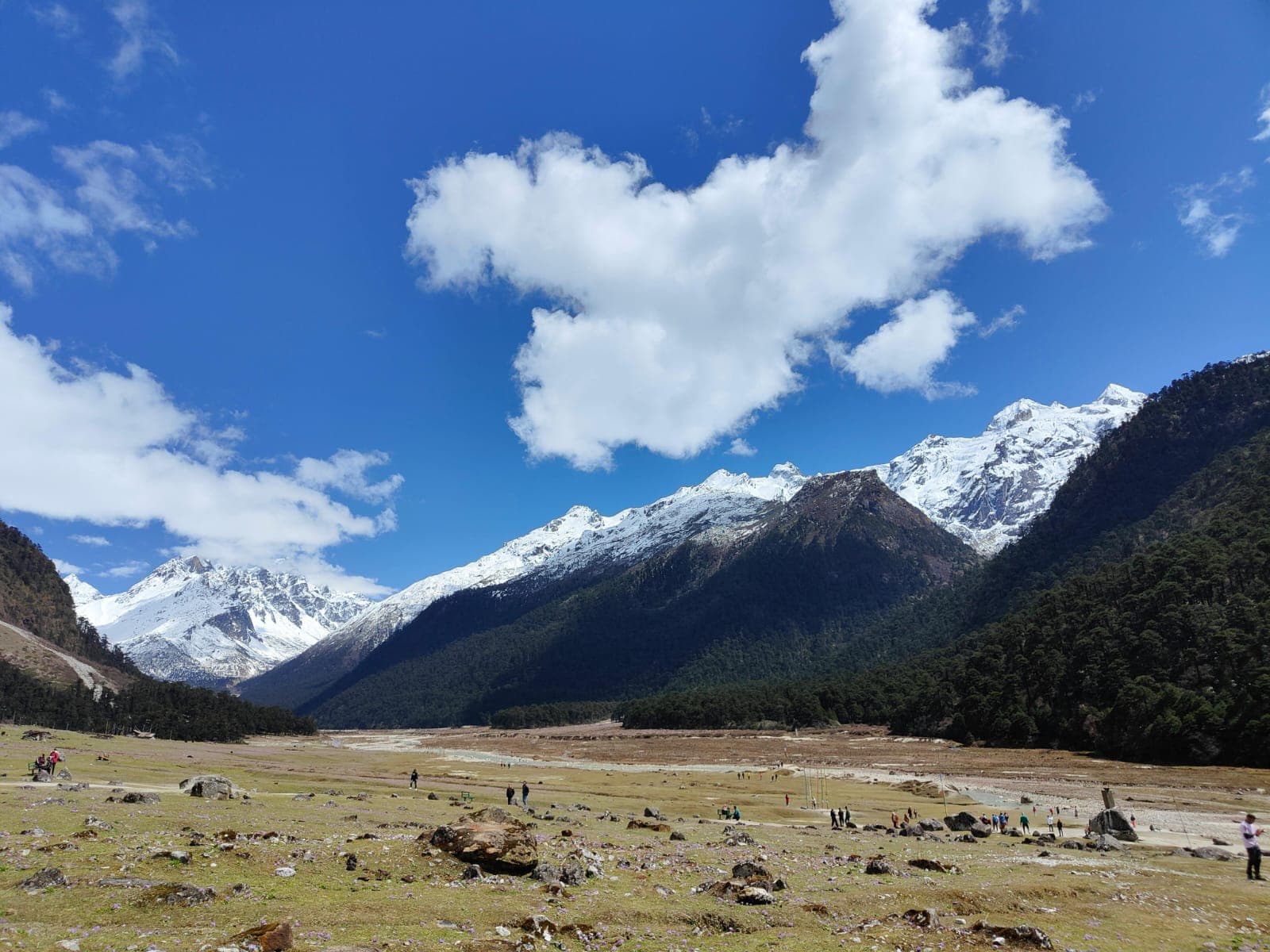
If you want to experience the raw, natural beauty of North Sikkim, the Yumthang Valley is your destination. Often called the "Valley of Flowers," this spectacular alpine meadow is located at an altitude of 11,800 feet (3,597 metres).
During the spring (April to May), the valley floor erupts in a riot of colours as over 24 species of rhododendrons bloom, set against a backdrop of towering snow-capped peaks and a winding river. It's a pristine and idyllic landscape that feels almost otherworldly.
Planning Your Trip to Sikkim
- Best Time to Visit: The spring (March to May) is ideal for wildflowers and pleasant weather, while autumn (October to mid-December) offers clear skies and spectacular mountain views. Winters can be harsh, and monsoons bring landslides.
- Permits: Most parts of Sikkim, including North Sikkim (Yumthang) and East Sikkim (Tsomgo/Nathu La), require special permits. Foreign nationals also need an Inner Line Permit (ILP) to enter Sikkim. It's best to arrange these through a registered travel agent well in advance.
- Respect the Culture: Sikkim is a deeply spiritual place. When visiting monasteries, dress modestly, remove your shoes before entering the main halls, and ask for permission before taking photographs.
Sikkim is a destination that will leave you with a profound sense of peace and a deep appreciation for the majesty of the natural world. It is truly a Kingdom of the Himalayas waiting to be discovered.